
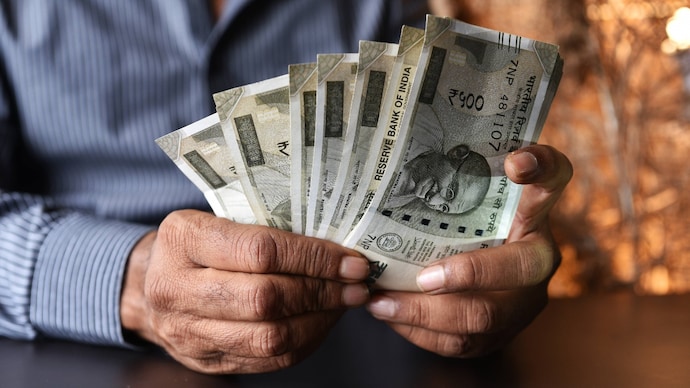
In modern India, many people are earning more than ever before — yet somehow, their bank balances don’t reflect that growth. Salaries rise, but so do monthly expenses. New gadgets, better cars, weekend brunches, and EMIs seem to absorb every pay hike. This is what economists call “lifestyle inflation” — when spending increases as income rises, leaving little room for savings or real wealth creation.
The Roots of Lifestyle Inflation in India
The seeds of lifestyle inflation were planted in the post-1991 era, when India opened its economy to global markets. Liberalisation brought prosperity, urbanisation, and a flood of consumer goods. Over time, rising incomes made aspirational lifestyles more accessible, but they also created a subtle cultural shift — from “saving for tomorrow” to “enjoying today.”
While earlier generations prioritised owning a home and saving for emergencies, today’s youth focus on experiences — travel, dining, and technology. Social media further fuels this mindset by showcasing luxury as normal. The desire to “keep up” with peers leads many to spend beyond their means.
Income vs. Wealth: The Hidden Gap
At first glance, India seems to be doing well. The country’s GDP and per capita income have grown steadily over the past three decades. But this growth hides an uncomfortable truth — rising incomes haven’t always translated into wealth accumulation.
A survey by the Reserve Bank of India shows that while household earnings have grown, savings as a percentage of income have declined. The average Indian family now saves less than it did a decade ago. Urban professionals, in particular, find themselves stuck in a cycle of high income but low financial security.
activecarefit.com | fixhomecomfort.com | rfindy.com
studyguruzone.com |investgalactic.com
Why People Spend More When They Earn More
There are several psychological and social reasons behind lifestyle inflation:
-
Status Pressure: In urban India, success is often equated with visible wealth — branded clothes, premium phones, or a luxury car. As people earn more, they feel pressure to display that success.
-
Instant Gratification: Easy access to credit cards and EMI options allows people to buy now and pay later. The emotional satisfaction of owning new things outweighs the long-term financial cost.
-
Social Media Influence: Platforms like Instagram, YouTube, and LinkedIn create subtle social competition. Seeing peers travelling abroad or buying expensive items triggers a sense of FOMO (fear of missing out).
-
Lack of Financial Literacy: Many people don’t understand how compounding or long-term investing works. Without a savings plan, every pay raise gets absorbed by lifestyle upgrades.
How Lifestyle Inflation Creeps In
Lifestyle inflation doesn’t happen overnight. It begins small — a better phone, a more expensive apartment, or frequent cab rides instead of public transport. Over time, these small changes accumulate.
For example, a person earning ₹40,000 per month might live comfortably with ₹30,000 in expenses. But when their salary rises to ₹80,000, expenses often jump to ₹70,000. Even though income doubled, savings may have stayed the same — or even decreased due to new commitments like EMIs, gadgets, or dining out.
Impact on the Middle Class
India’s middle class, the backbone of the economy, is the most affected. For many, income growth gives a sense of security — but it’s an illusion if not paired with asset growth. Rising costs of housing, healthcare, and education make saving harder.
Moreover, inflation in daily essentials — rent, fuel, food — eats into disposable income. When combined with aspirational spending, this results in financial vulnerability. A single job loss or medical emergency can wipe out years of savings.
The Role of Credit and Easy Loans
Financial institutions and fintech apps have made borrowing extremely convenient. From instant credit cards to “buy now, pay later” options, easy credit encourages impulsive spending. People often underestimate how small EMIs add up to significant monthly outflows.
This easy access to credit has changed consumption patterns. Rather than saving for a goal, people now prefer to borrow to achieve it faster, creating a loop of debt that grows silently in the background.
Breaking the Cycle: Building Real Wealth
Escaping lifestyle inflation requires awareness and discipline. Here are some practical steps:
-
Save First, Spend Later: Instead of saving what’s left after spending, reverse the process. Set aside at least 20–30% of your income before allocating the rest to expenses.
-
Track Expenses: Use apps or simple spreadsheets to monitor spending habits. Seeing how much goes toward non-essential items can be eye-opening.
-
Avoid Emotional Purchases: Give yourself a 24-hour rule before making big purchases. Often, the urge fades once you think logically.
-
Invest, Don’t Just Save: Inflation erodes the value of idle money. Diversify into mutual funds, SIPs, or low-risk investments that grow over time.
-
Define Financial Goals: Whether it’s buying a house, building a retirement fund, or creating an emergency corpus, goals help control impulsive spending.
-
Limit Credit Usage: Treat credit as a tool, not as extra income. Always pay dues on time and avoid revolving debt.
Changing Mindset: From Income to Financial Freedom
True wealth isn’t measured by income alone — it’s about how long you can sustain your lifestyle without working. Unfortunately, lifestyle inflation traps many people in an endless chase for higher salaries, without achieving financial independence.
To change this, financial literacy must become a part of mainstream education. Understanding how money grows, how debt works, and how to manage risk is as essential as learning to earn it.
The Bigger Picture
India’s economic growth has lifted millions into the middle class, but it has also redefined what success means. The constant exposure to global lifestyles creates unrealistic expectations. This doesn’t mean ambition is bad — but unchecked spending driven by social pressure leads to long-term insecurity.
In the next decade, as India’s workforce expands and incomes rise further, balancing aspiration with financial prudence will be crucial. Only then can growth translate into true prosperity.
Conclusion
Lifestyle inflation is not just an economic issue — it’s a mindset problem. The more we equate success with material upgrades, the harder it becomes to achieve lasting financial peace. Earning more is an opportunity, not an invitation to spend more.
By prioritising savings, smart investments, and mindful consumption, India’s rising professionals can ensure that their growing incomes actually lead to growing wealth.